
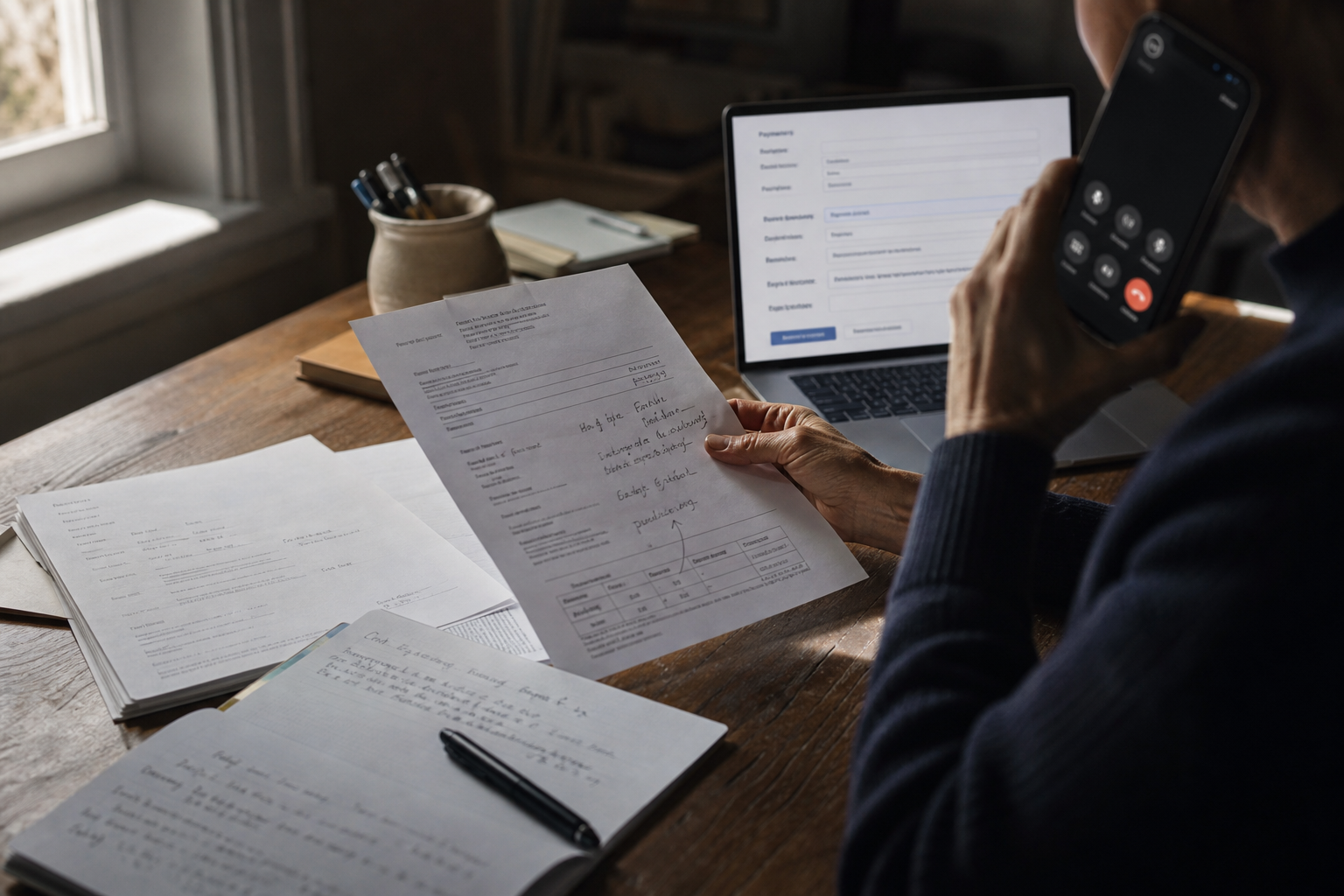
Yes. A wire transfer can be a normal payment method for a gallery purchase, particularly when the amount is high or a card limit and fee make card payment impractical. But a normal method can still be exploited. Before sending money, obtain a complete invoice; confirm that the beneficiary matches the gallery or disclosed payee; and verify every account detail by calling a known contact at a number you obtained independently. Never rely only on the email containing the instructions. Stop if the account changed, the domain is slightly different, the beneficiary is unexplained, or urgency is used to prevent verification.
Why legitimate galleries use wires
Wires settle large sums directly and can reduce card-processing constraints. International purchases and auctions also commonly use bank transfers. The payment method is therefore not proof of a scam—and it is not proof of legitimacy. Evaluate the business, object, invoice, and instructions together.
Verify the transaction before the bank details
The invoice should name the gallery or legal seller, buyer, exact artwork, price, tax, shipping or other charges, currency, due date, and payment status. Confirm the gallery’s identity and authority to sell the work. Read delivery, title, risk, inspection, and return terms before payment, not after.
If the invoice is vague, ask for a corrected one. Chat messages and a bank reference line are not adequate substitutes for a durable object-specific record. See what should be on an art invoice.
Use a trusted second channel
Call a gallery number you already used successfully or obtained from its established public site. Ask a known staff member to read back the beneficiary name, bank, routing information, account suffix, currency, and invoice number. For a first transaction, a brief video call or additional identity check may be proportionate.
Do not call only the number in a suspicious instruction-change email. A compromised mailbox can make a fraudulent message appear in a genuine conversation, which is why the FBI recommends independently verifying payment requests and changes.
Treat changes as a new payment event
If the bank, account, beneficiary, or country changes, stop. Re-verify from the beginning. Do not let a shipping deadline, promised discount, or claim that the gallery owner is unavailable convert an unverified change into an emergency.
Sources
- A Way to Spot Scams: How Someone Asks You to PayFederal Trade Commission
- Business Email CompromiseFederal Bureau of Investigation
- Museum Handbook, Part II: Museum RecordsNational Park Service
- Guide for BuyersSotheby’s