
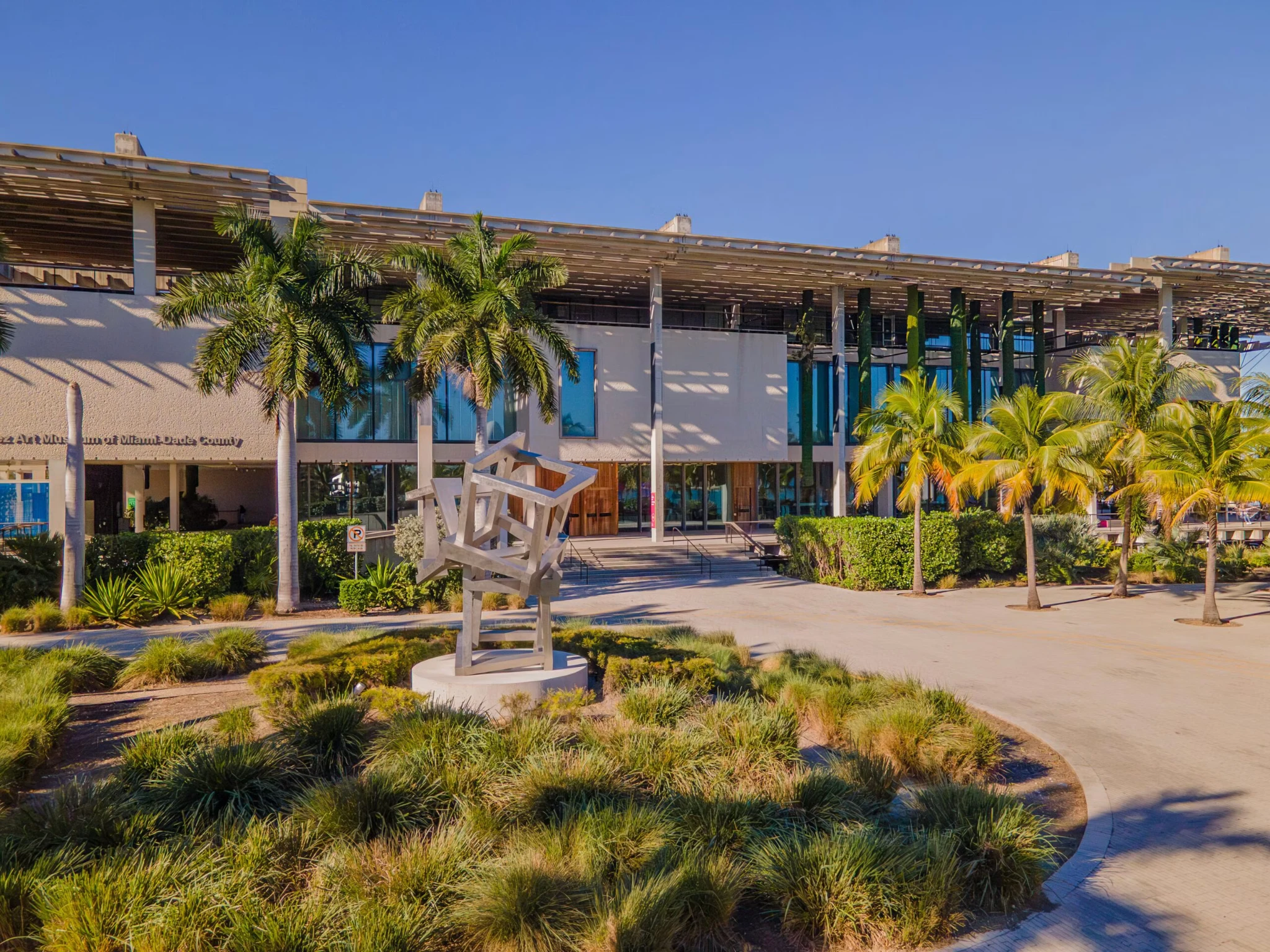
Heinz Berggruen never met Paul Klee. That is a useful detail to carry into Picasso–Klee–Matisse: Masterpieces from the Museum Berggruen, now at Pérez Art Museum Miami. Klee became central to a collection associated with Berggruen’s friendships with artists, even though Berggruen’s connection to Klee was through the work.[2]
The exhibition runs through February 28, 2027, bringing works from the Berlin museum and the Berggruen family collection into conversation with PAMM’s own holdings.[3] For visitors planning a Miami Art Week trip, Klee offers a route into the show that begins somewhere quieter than its famous names: with the difference between knowing an artist and repeatedly returning to an image.
A connection made through pictures
Berggruen bought his first Klee watercolor in Chicago in 1940.[2][4] Klee died that year in Switzerland while Berggruen was in California. The Musée de l’Orangerie’s account of the collection traces the attachment beyond that first purchase, including a Klee exhibition at Berggruen’s Paris gallery in 1952 and further exhibitions afterward.[2]
The distinction opens an interesting question about what makes a collection personal. An acquaintance can leave stories, letters and memories around a work. A painting can also become familiar through years of attention. Berggruen’s Klee holdings give the second kind of connection a visible place alongside the first.
For a visitor, this is a reason to resist treating biography as a key that unlocks every picture. Knowing that a collector admired an artist tells us something about the collection. It still leaves the work of looking to do.
Start with a landscape that refuses to settle
One place to begin is Klee’s Nekropolis (Necropolis), from 1929. PAMM’s guide connects the work to his 1928–29 North African journey and describes a landscape built from horizontal bands of color interrupted by geometric forms.[1]
That construction suggests a useful viewing question. At what point do bands and shapes become a place? A viewer can move between reading the image as a landscape and attending to the arrangement that makes that reading possible. Neither response needs to cancel the other.
The exhibition’s Matisse studio interior, In the Studio in Nice, also dates to 1929.[1] Setting the two works beside each other in thought, without assuming they hang together, creates a comparison about how a picture organizes space. One begins with a landscape; the other names a room. In each case, the subject can be a starting point rather than the end of attention.
Sources
- Pérez Art Museum Miami exhibition guidePérez Art Museum Miami
- Musée de l’Orangerie English exhibition bookletMusée de l’Orangerie
- Museum Berggruen travels to Miami from October 2026Staatliche Museen zu Berlin
- Houston Chronicle reporting on the Berggruen collectionHouston Chronicle