
The room is an interpretation
A collection is larger than the slice a visitor sees at once. MoMA says its collection galleries rotate frequently, with new works installed nearly every day; curators select works and determine gallery themes. Its gallery program describes frequent reinstallation as a way to explore different histories and ideas through new combinations of art. A work can therefore be in a collection and still be absent from the current hang. MoMA's account of its rotations helps separate the institution's holdings from one temporary presentation.
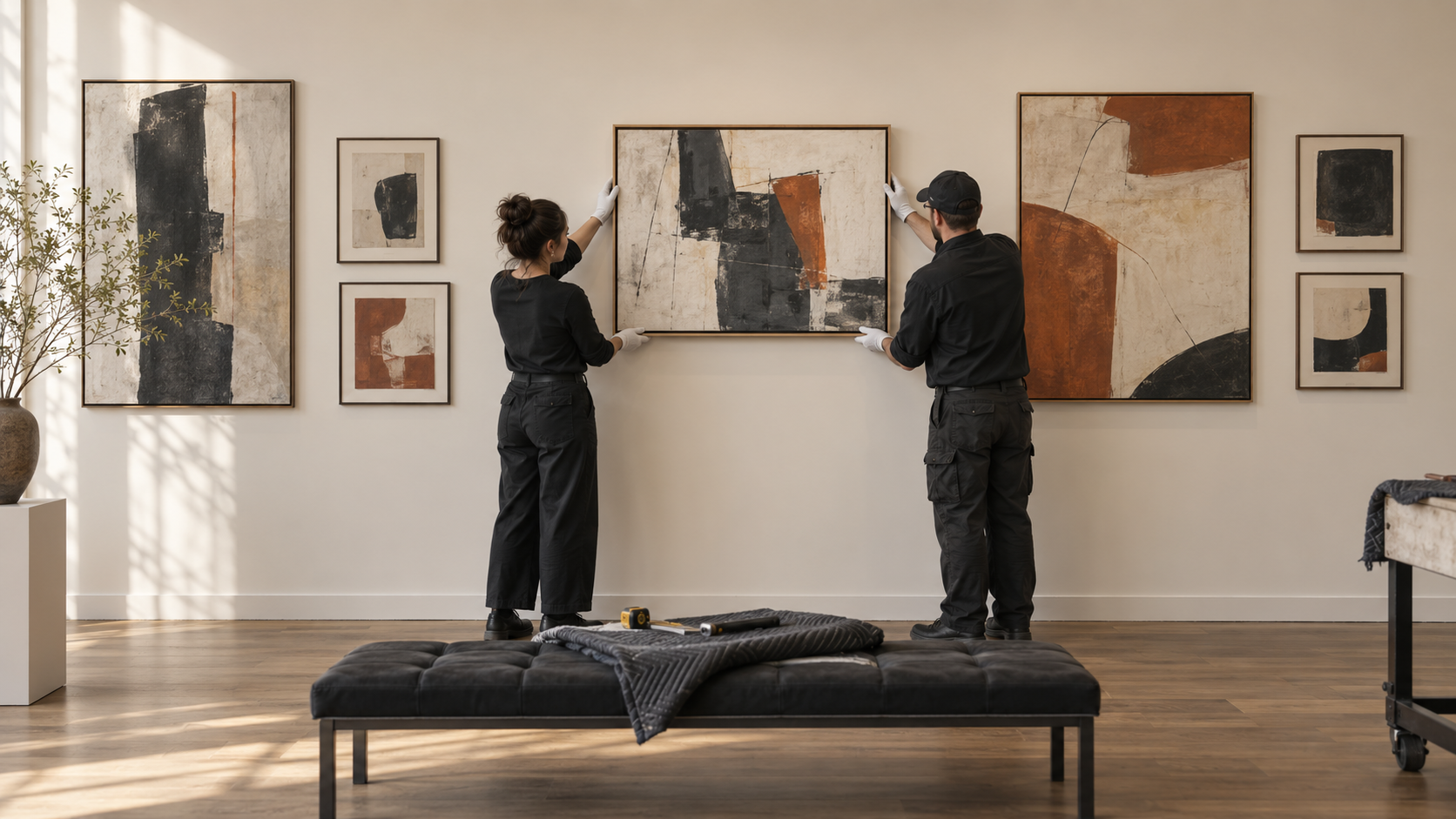
The order of rooms, the neighboring works and the height of a hang shape what a viewer notices. A small drawing next to a large painting may make a shared motif visible. A sculpture pulled away from a wall may invite movement around it. A group of works from different departments can connect an artist's practice to photography, design or performance rather than only to a familiar medium.
Look at what changed
On a return visit, start with three questions. Which objects are new to the room? Which have moved or disappeared? What title or theme now frames them? A disappearance is not automatically a sale, a deaccession or a judgment about quality. Space, loans, conservation, light exposure and curatorial choices can all affect a display. The reason for a particular move should be checked with the institution rather than guessed from an empty wall.
MoMA's 2019 collection-rotation announcement committed to rotating a substantial share of its galleries and bringing works from multiple curatorial departments together. The significance was not merely a fresher appearance. It created new relationships among objects and enabled stories that a single fixed chronology might not tell. The museum's collection floor page continues to describe reinstallation in these terms.
Sources
- Behind the Collection GalleriesThe Museum of Modern Art
- Collection 1980–TodayThe Museum of Modern Art
- MoMA Collection Rotation announcementThe Museum of Modern Art